Lazio’s bustling region is hilly, with pockets of small mountainous areas in the eastern and southern districts.
Lazio’s bustling region is hilly, with pockets of small mountainous areas in the eastern and southern districts. There are numerous ancient volcanoes that pepper the region, making modern-day viticulture rich and complex. Along the coastline, Lazio has a typical Mediterranean climate, but as you shift inland towards the Apennine Mountains, the temperatures get cooler.
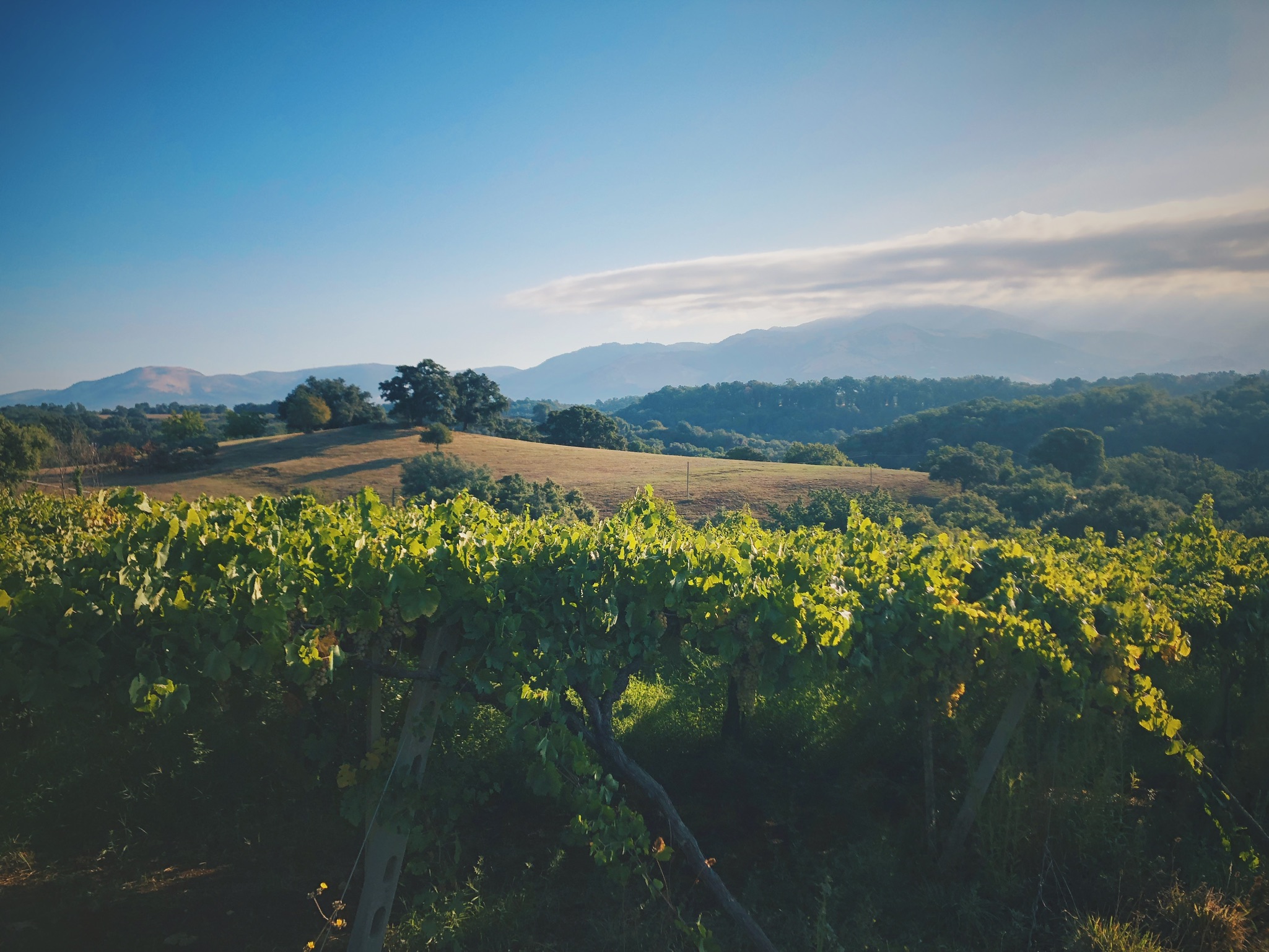
The Tiber River runs through Lazio until it drains into the Tyrrhenian Sea. The ancient volcanic hills that are sprinkled along the river provide well-drained, fertile, phosphorus-rich and porous land, delivering proper nourishment for the grapes. A combination of limestone, lava and tufa soils which are rich in potassium, have an affinity to white grapes, ensuring a delicate and complex balance of acidity.
This diverse landscape, combined with a variety of soils and microclimates, creates a unique terroir that influences the wines produced here. Each sub-region of Lazio offers distinct characteristics, showcasing local grape varieties and traditional winemaking practices that have been honed over centuries. This exploration of Lazio's wine-producing areas will highlight the unique terroirs that define their wines, showcasing the local grape varieties and the traditional methods that have been passed down through generations.

Bolseno
- Altitude: 300-600 meters above sea level
- Soil: Volcanic soil rich in minerals
- Grapes: Grechetto, Maturano Bianco, Pampanaro
Bolseno, located near Lake Bolsena, is known for its volcanic soils, which impart a unique minerality to the wines. The region's altitude provides a cooler climate, allowing for a longer growing season that enhances the complexity of the grapes. In addition to the well-known Grechetto, local varieties such as Maturano Bianco and Pampanaro are being replanted, showcasing the region's commitment to preserving its indigenous heritage. The wines produced here are celebrated for their vibrant acidity and aromatic profiles, making them a delightful choice for pairing with local cuisine.
Frascati
- Altitude: 200-400 meters above sea level
- Soil: Clay and volcanic soils
- Grapes: Malvasia Puntinata, Trebbiano, Ulivello Nero
Frascati is perhaps the most famous wine-producing area in Lazio, known for its crisp white wines. The region's clay and volcanic soils contribute to the distinctive flavor profiles of its wines, particularly those made from Malvasia Puntinata and Trebbiano grapes. Recently, there has been a resurgence in the cultivation of Ulivello Nero, an indigenous red variety that adds depth and character to local blends. The moderate altitude and proximity to Rome make Frascati a popular destination for wine lovers, with wines that are typically light and refreshing, perfect for warm weather.
Castelli Romani
- Altitude: 300-700 meters above sea level
- Soil: Volcanic and clay soils
- Grapes: Cesanese, Lecinaro, Merlot
The Castelli Romani area is characterized by its rolling hills and rich volcanic soils, which provide an ideal environment for grape cultivation. The region is known for producing Cesanese, a native red grape variety that yields wines with deep color and complex flavors. Additionally, the indigenous grape Lecinaro is being replanted, adding a unique twist to the traditional offerings. The higher altitudes contribute to cooler temperatures, allowing for a longer ripening period that enhances the grapes' aromatic qualities. The wines from Castelli Romani are often robust and full-bodied, making them excellent companions for hearty Italian dishes.


Tarquinea
- Altitude: 100-300 meters above sea level
- Soil: Clay and sandy soils
- Grapes: Cabernet Sauvignon, Sangiovese, Capolongo
Tarquinea, located near the coast, benefits from a milder climate and fertile soils that are ideal for viticulture. The region is known for its production of Cabernet Sauvignon and Sangiovese, but it is also seeing a revival of Capolongo, an indigenous variety that adds complexity to local blends. The wines from Tarquinea are often characterized by their rich flavors and smooth tannins, making them approachable yet complex. The coastal influence adds a unique freshness to the wines, allowing them to pair beautifully with seafood and other local dishes.
Cassina
- Altitude: 200-500 meters above sea level
- Soil: Fertile alluvial soils
- Grapes: Trebbiano, Malvasia Puntinata, Maturano Bianco
Cassina is a lesser-known but emerging wine region in Lazio, characterized by its fertile alluvial soils that support a variety of grape varieties. The altitude provides a balanced climate, allowing grapes like Trebbiano and Malvasia Puntinata to flourish. The indigenous Maturano Bianco is also being reintroduced, showcasing the region's commitment to its viticultural heritage. The wines from Cassina are often light and aromatic, with a focus on freshness and drinkability, reflecting the unique terroir of the area.