Friuli Venezia Giulia: a Melting Pot
The White Wines of Friuli-Venezia Giulia
The closeness of Friuli-Venezia Giulia to both the Adriatic Sea and the Julian Alps in Slovenia creates a climate that works to the grapes advantage.
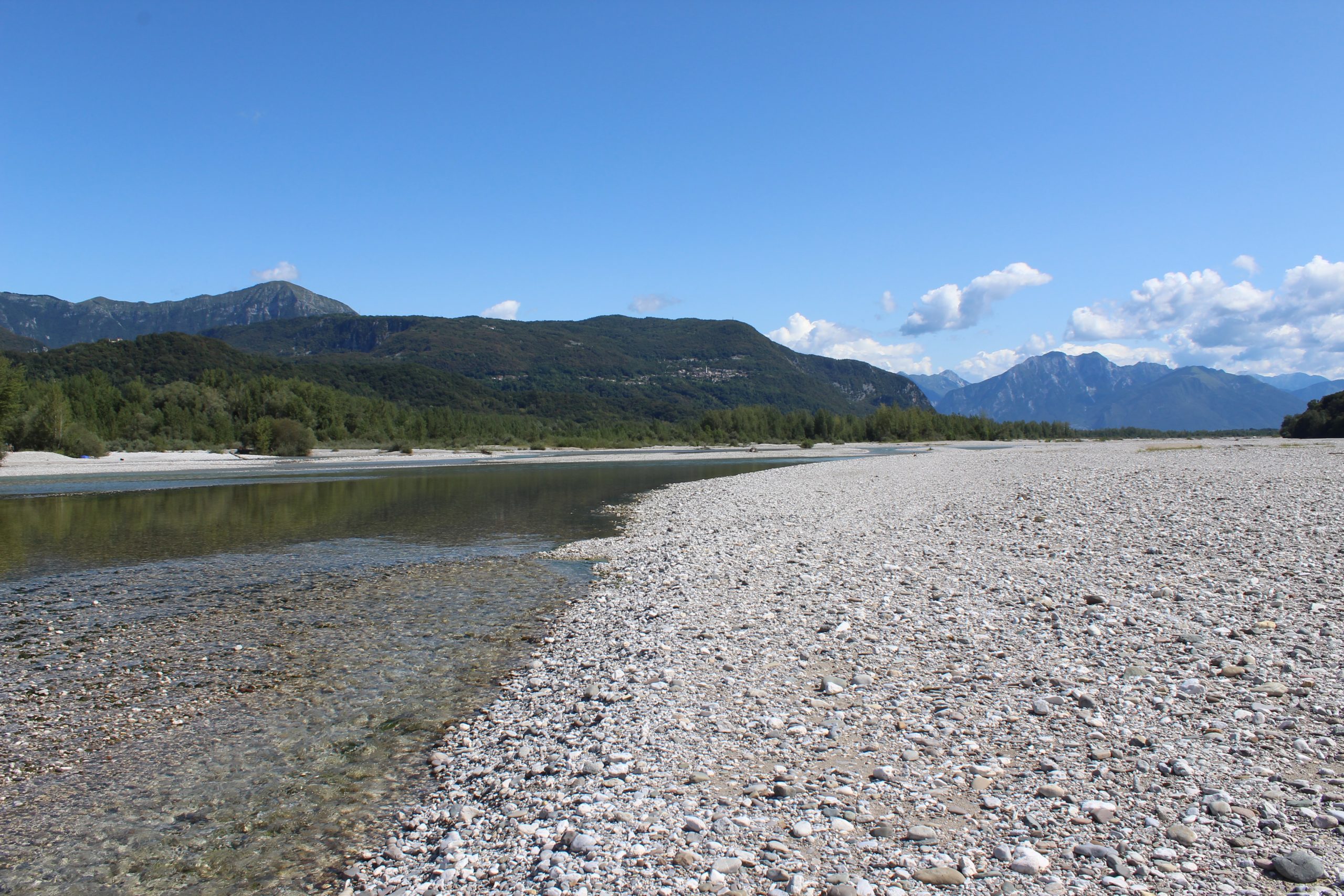
Starting in the center of the region, there is a large, flat valley called the Friuli Grave. This valley is made up of large stones and rocks that heat up in the sunshine and cool down at night. This climatic shift helps grapes ripen effectively while giving them an unmistakable acidity from the cool air at night. The diurnal temperature variation, often exceeding 15 degrees Celsius, is crucial for developing the balance between sugar and acidity in the grapes, resulting in wines that are both vibrant and refreshing.
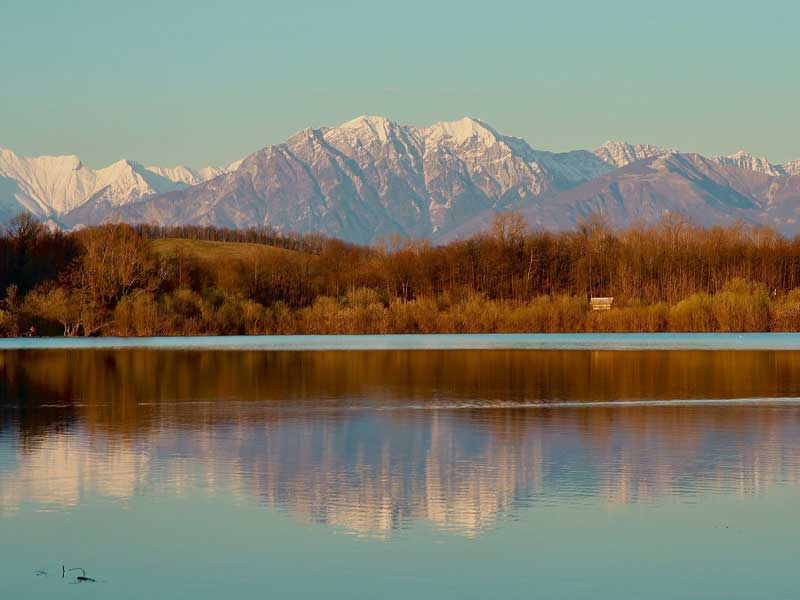
The Julian Alps, located on the northeastern side of Friuli-Venezia Giulia, particularly in the Colli Orientali del Friuli and Collio areas, play a crucial role in shaping the region's viticulture. The elevated terrain creates a unique microclimate that benefits a variety of grape types, including Ribolla Gialla, Sauvignon Blanc, Chardonnay, Pinot Grigio, and Collio Bianco. This elevation enhances drainage and air circulation, reducing the risk of disease while maximizing the grapes' exposure to sunlight. As a result, these conditions foster the development of phenolic complexity, leading to wines that are rich in depth and character.
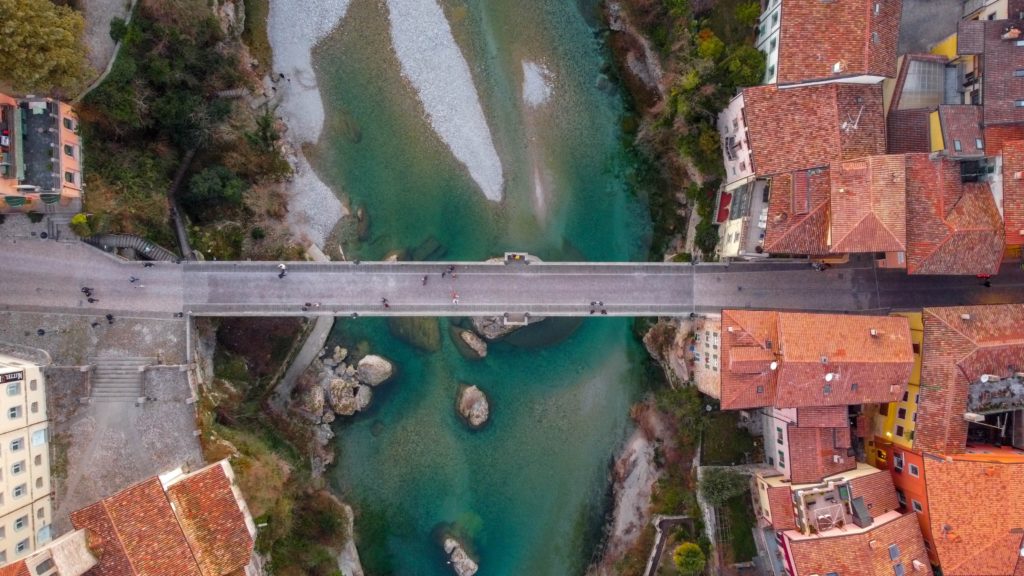
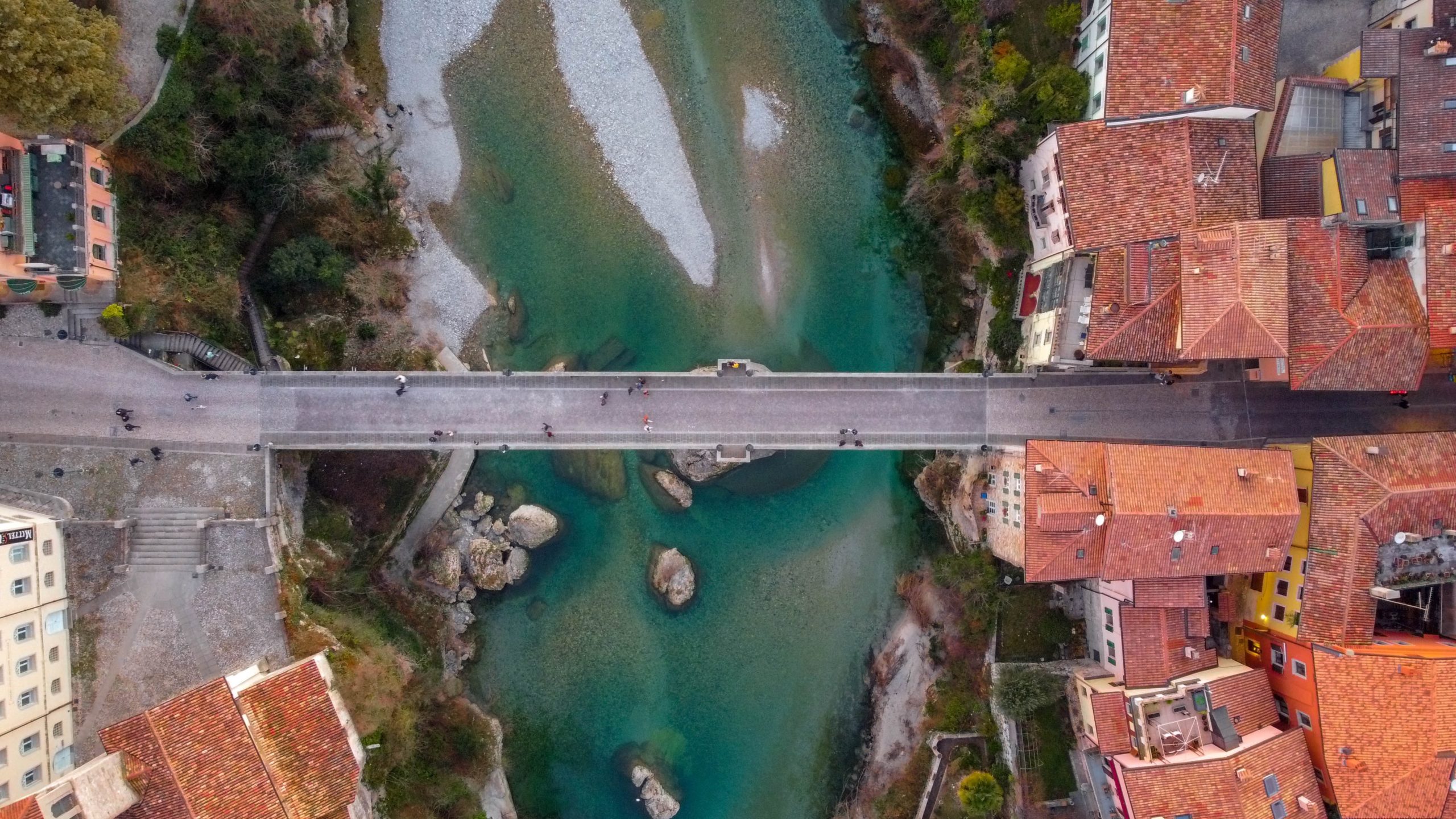
Flowing through this picturesque landscape, the Isonzo River further influences the local terroir and winemaking practices. Originating in the Julian Alps, the river meanders through valleys and vineyards before reaching the Adriatic Sea. Its crystal-clear waters not only provide a stunning backdrop but also contribute to the unique microclimates that benefit the vineyards along its banks. The Isonzo area is characterized by diverse soil types, including alluvial deposits, gravel, and clay, which create ideal conditions for grape varieties such as Sauvignon Blanc, Pinot Grigio, and Merlot. The mineral-rich alluvial soils promote healthy vine growth and enhance the complexity of the wines produced in this region. Additionally, the river's proximity moderates temperatures, ensuring that grapes ripen evenly while retaining their acidity.

Topological Map of Friuli Venezia-Giulia
Collio
- Elevation: 100 to 300 meters
- Soil Type: Flysch (a mix of sandstone and clay)
- Common Grapes: Friulano, Sauvignon Blanc, Pinot Grigio
In Collio, located at elevations of 100 to 300 meters, the unique flysch soil composition supports the cultivation of Friulano, a grape celebrated for its aromatic complexity and minerality. The region benefits from a mild climate influenced by the nearby Adriatic Sea, which fosters the development of fresh, vibrant white wines with excellent acidity and depth.
Carso
- Elevation: 200 to 400 meters
- Soil Type: Limestone and marl
- Common Grapes: Vitovska, Malvasia, Refosco
Carso, with elevations ranging from 200 to 400 meters, features limestone and marl soils that are well-suited for the indigenous Vitovska grape. The region's unique terroir, combined with a climate characterized by significant temperature variations, results in wines that are both mineral-driven and expressive, showcasing the distinct characteristics of the local varietals.

Isonzo River & Julian Alps
Friuli Isonzo
- Elevation: 50 to 150 meters
- Soil Type: Alluvial and clay
- Common Grapes: Merlot, Cabernet Sauvignon, Chardonnay
In Friuli Isonzo, situated at lower elevations of 50 to 150 meters, the alluvial and clay soils provide a fertile ground for growing Merlot and Cabernet Sauvignon. The region's warm climate, coupled with the cooling influence of the Isonzo River, allows for the production of rich, full-bodied red wines and elegant whites, often marked by ripe fruit flavors and smooth tannins.
Colli Orientali del Friuli
- Elevation: 100 to 400 meters
- Soil Type: Varied (including clay, limestone, and marl)
- Common Grapes: Picolit, Sauvignon Blanc, Friulano
Colli Orientali del Friuli, with elevations between 100 and 400 meters, boasts a diverse range of soils that contribute to the complexity of its wines. The region is particularly known for Picolit, a sweet wine grape, as well as high-quality Sauvignon Blanc and Friulano. The combination of altitude and a favorable climate results in wines that are aromatic, well-structured, and capable of aging gracefully.
Moreno Ferlat and his business partner Federica Tabacchi, based in Cormons embody this. . Ferlat is known for its commitment to traditional winemaking practices, focusing on the unique characteristics of local grape varieties. Their wines often reflect the terroir of the Friuli Grave, showcasing vibrant acidity and aromatic complexity. Wines that are complex and intriguing yet fresh and drinkable. Ferlat's dedication to quality and sustainability has earned them a reputation for producing exceptional wines that resonate with both local and international audiences.
This is the title
This is the title
This is the title
The signature soil found in this area is called Ponca. A distinctive mix of marl and sandstone, can also be found in the Isonzo region, particularly near the river. This soil type is known for its excellent drainage and mineral richness, which are highly beneficial for viticulture. The presence of Ponca soil contributes to the unique terroir of the Isonzo area, allowing for the cultivation of various grape varieties. In this region, Ponca soil helps produce wines with vibrant acidity and complex aromas, often resulting in crisp, aromatic whites and well-structured reds. The combination of Ponca soil, the moderating influence of the Isonzo River, and the region's diverse microclimates creates an environment conducive to high-quality winemaking, making Isonzo a noteworthy area within Friuli-Venezia Giulia.

Denis Montanar, Villa Vicentina

Collio Goriziano, Friulli
Closer to the coast, in the flat plains of Trieste, the terroir and maritime environments shift, making the vineyards and Mediterranean climate more predictable and reliable. The Carso Peninsula features soil formations made up of mineral-rich “terra rossa,” hard limestone, and alluvial sands. This unique geological composition not only influences the flavor profiles of the wines but also enhances their minerality. The Carso region has become increasingly popular for producing skin contact (orange) wines and mineral-driven reds, showcasing the area's ability to produce wines that are both expressive and reflective of their terroir.
Aquileia
- Elevation: 0 to 50 meters
- Soil Type: Alluvial and clay
- Common Grapes: Friulano, Sauvignon Blanc, Merlot
Aquileia, located at low elevations of 0 to 50 meters, features alluvial and clay soils that are ideal for a variety of grape cultivation. The region is known for producing high-quality Friulano and Sauvignon Blanc, as well as Merlot. The proximity to the Adriatic Sea moderates the climate, allowing for the production of fresh, aromatic wines with a balanced profile, reflecting the rich history and heritage of this ancient Roman settlement.
To the west of the Carso Denis Montanar and his son Carlo farm their 10.5 Acres near Villa Vicentina. Known for his innovative approach to winemaking he is a 5th Generation farmer who allows the natural expression of the grapes to shine through. Montanar's wines are characterized by their authenticity and depth, often featuring a blend of traditional and modern practices. His focus on biodynamic farming and minimalistic winemaking has garnered attention for producing wines that are not only delicious but also a true reflection of the Friuli-Venezia Giulia terroir. Together, these winemakers contribute to the region's growing reputation as a hub for high-quality, diverse wines that capture the essence of their unique landscapes.